Avanti electric fires are the latest collection of dynamic fireplaces from Stovax the UK’s largest fireplace manufacturer. All the Avanti fireplaces have been developed and manufactured with the latest technology. The Avanti 110RW, Avanti 150RW, and Avanti 190RW will bring glamour into your home, all available in a single, corner, or three-sided fire configuration to suit all styles of living spaces.
Onyx Avanti has been designed to suit your every mood with an unprecedented amount of lighting and colour options. Advanced Chromalight® Plus technology is only available with the outstanding Avanti collection.
The optional Lighting Kit integrates seamlessly with your Avanti luxury electric fire and can be controlled with the MyFlame app and Thermostatic Eco Remote Control.
Dik Geurts stoves is a renowned manufacturer of high-quality wood burners, now part of Dru the worlds leading gas fire manufacturer located in the Netherlands, the all-new Soren 5 stove is the latest addition to an already impressive range of wood stoves, clean lines, and a large glass window make this sturdy fireplace the perfect addition to any home, also ideal as a space-saving addition to your living space.
With a 7kw output, the Soren 5 will heat a medium to the larger living area, an impressive 82% efficiency will be kinder on the environment.
Naill Deiraniya UK Dru General manager recently presented Richard Bailey the manager at The Fireplace Superstore with the prestigious award of the UK 2020 highest selling store of Dru fires and fireplaces. The latest award for the fourth time in five years for 2021 will soon be presented to Richard.
Richard bailey commented with are very proud to receive the award from Dru, it has been a team effort from the close-knit staff members, staff training, and a genuine enthusiasm for the Dru range of heating products as resulted in The Fireplace Superstore winning the award in 2017, 2018, 2020, and now 2021.
The Fireplace Superstore have invested heavily with a new luxury showroom displaying over twenty Dru Fireplaces.
In 2018, set designer and interior designer, Ingrid Maria Buron de Preser worked closely together on renovations of this unique, abandoned building to transform it into a high-end development, for short and long term rentals.
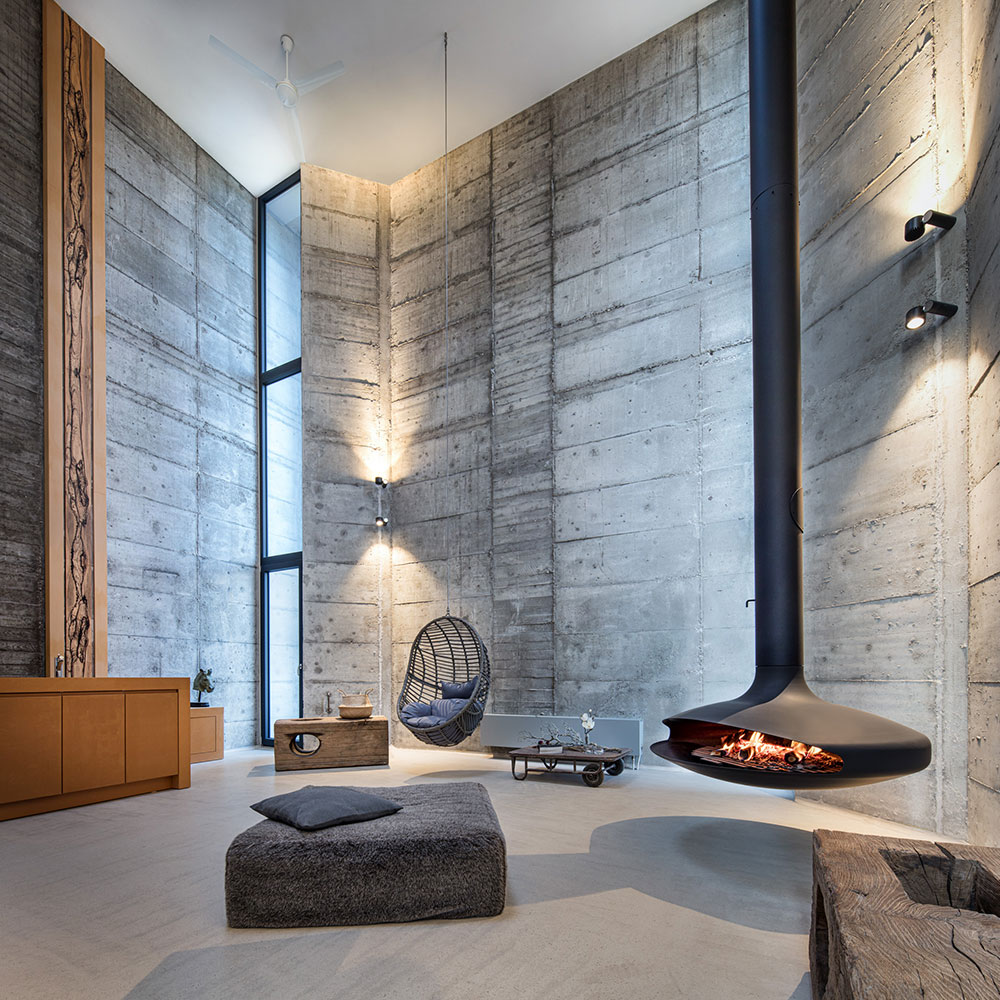
The Gyrofocus bespoke fireplace is now the dynamic centerpiece with an 8-meter high ceiling the perfect focal point within its striking property at the top of this 22- meter tower within a 40 sq – meter area.
What coal you choose should be dependant on your solid fuel appliance. The Fireplace Superstore supply a full range of coals instore are best-selling coal is the Eco instant 50 light smokeless coal, this smokeless coal is ideal for multi-fuel stoves and open fires.
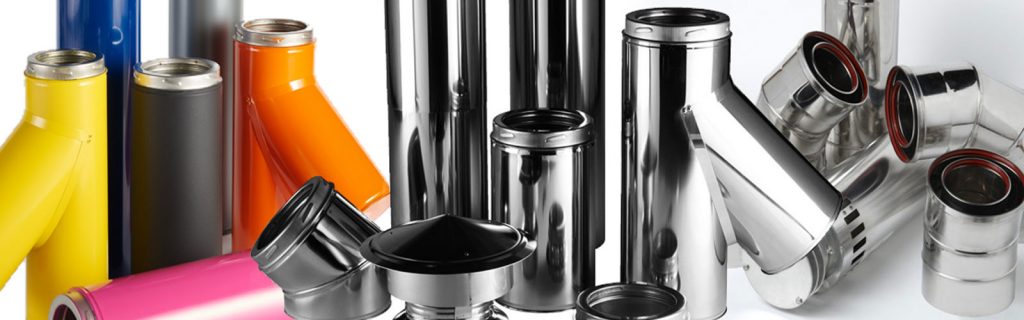
Twin wall systems are the ideal solution for homes where there is no chimney, a flue system is needed for use with a multi-fuel, wood burning or gas appliances. Twin wall pipe is insulated double skinned flue with a double layer of 316 grade stainless steel with a 25 mm installation section of rockwool with a outer layer of 304 grade steel.
Twin wall outer layer
The Twin wall outer layer of the flue can pass within 50mm of any combustible materials, this makes it ideal to install in existing homes, it is also weatherproof and carries the structural load of the flue system.
Rockwall Insulation
High density 25mm rockwall between the layers of the twin wall flue pipe will keep the external flue pipe cool with thermal resistant properties, warm gases then rise up the flue with the reduction of tars on the internal flue that can often cause chimney fires.
Twin wall Inner layer
The 316 grade stainless steel inner layer will withstand coal and wood burning gases from stoves and real fires. When the inner steel flue pipe heats up a strong draft will ensure the waste gases are dispersed up the flue, as gas temperatures change the steel wil contract and expand throughout the stove or fire burn time.
Flue Pipe Advice
When installing twin wall flue systems there should be a limited amount offsets and horizontle turns. If a solid fuel appliance is installed the distance between two 45 degree bends should not be greater than 20% off the height. Manufactures often recomend a increase the flue diameter, a twin wall flue should not be reduced to less than the flue diameter on the stove.
Using a locking band system to connect twin wall lenghts prevents any leakage and seals the flue. For sweeping, inspection hatches are normally found in vitreous enamel pipes or in 135 degree twin wall tee & caps.
Support brackets are recomended every 2m on all flue systems they are available in both fixed and adjustable.
Adapters are used when when using virtreous enamel to twin wall insulated pipe sealing the joint and allowing you to increase the diameter of the flue. It is always recomended you increase the flue diameter, this applies to all types of flue liners, your stove should work more efficiently with thelp from the draw on the chimney flue.
All lengths and offsets connect together using a locking band system which seals the flue and prevents any leakage, no joints should be made in walls or going through floors. Access must be made for sweeping and inspection purposes these are generally found in Vitreous enamel pipes with sweeping hatches or in 135 degree twinwall insulated Tee & Caps.
If you live in a smoke controlled zone you will need to use smokeless fuel or a Defra approved stove or appliance.
Because of air pollution, there are a number of legislative acts in place to help with pollution a problem caused by industries domestic heating and coal burning through the years.
The introduction of clean air acts in 1956 and 1968 was brought in to deal with poor air pollutions.
Many premature deaths were thought to due to poor air within the UK. Local authorities were given powers for controlling emissions of fumes dust and black smoke mainly from industrial properties. Domestic properties then became smoke controlled areas in many towns and cities throughout the UK.
If your home is in a smoke controlled area you are not permitted to burn fuels producing smoke when using a fireplace or a stove. There are many fuels that do not produce smoke these include electricity gas and anthracite, there is also a wide range of smokeless fuels now available ideal for use with stoves and fireplaces.
Many manufacturers now supply Defra approved wood and multi-fuel stoves for use in smoke exempt areas. The Fireplace Superstore offers a wide collection of Defra stoves from all the leading stove companies.
Steel register Plates are used to seal off the base of the chimney.
This Register Plates are 900mm x 495mm With two access holes It is suitable for 125mm and 150mm (5 and 6 inch) Black Vitreous Stove Pipe.
A register plate is a important component when fitting a stove in to a conventional chimney. The register plate seals of your chimney above the stove and fire opening and prevents debris from the chimney falling on to your hearth and fireplace, and helps the chimney to draw properly.
Installing register plates
When installing a register plate with a multi-fuel or wood burning stove you seal the chimney making it fume tight. Register plates are manufactured from 1.5m galvanised steel with a hole in the centre for the vitreous enamel pipe to go through and tw access holes.. Four supporting brackets are supplied ready to be cut to the size required for your chimney opening, the brackets now require drilling and screwing in to the brickwork. The register plate is then cut to the correct size with the hole vertically above the vitreous enamel pipe, any gaps between the brackets and the brickwork should now be sealed with fire cement. Fire cement and fire rope must be installed around the pipe going through the plate as a sealant. The register plate can be sprayed to suit the colour of your stove.
Maintenance
With all solid fuel appliances, it is recommended your chimney is swept and maintained frequently at least once a year. Access hole covers can be removed at the same time and hoover and remove any debris on top of the plate.
The average moisture content in kiln dried wood is 20% Which is what most stove procucers would recommend. When wood is kiln dried there will be overall improvement in the quality helping for a clean burn with a maximum heat out put, companies including Certainley wood have kilns fired on there own wood waste, and solar panels producing electricity for a very green and eco friendly enviroment.
How long should wood logs be seasoned?
There are no set rules on how long wood should be stored, because when trees are cut down and left in the forest they do not dry, the bark will stop moister escaping. Ideally wood needs to be split in to logs and stored under cover with a good air flow area. Many wood species dry differently, soft woods including spruce and pine are quick drying woods, hardwoods including ash are also dry in approximately 9 months. Other woods including apple beech and oak have a longer drying process.
When to buy firewood?
In the UK the best advice would be to to purchase your firewood early and stock up for drying puposes and to avoid running out. Many local suppliers will have low stocks as we get in to the winter months and the quality can often be poor, this can also lead to problems in your stove and flue, and the quality of the burn.
How to check for dry wood?
A moisture metre is the ideal way to measure the moisture content of your wood this should be 15 – 25%, Certainly wood supply logs with a average of 20% these are available at The Fireplace Superstore.
The drier the wood the more efficiently it will burn and it will have up to twice the burn time as poorly seasoned wood and therefore be better value for money. If you have a efficient stove your wood will burn cleaner, if your fuel as to much moisture your glass will go black and you will have a build up of soot and tar in the chimney or flue.
How much firewood will i need through the winter months
There are many factors to determine the amount of firewood you will require for a typical UK winter including how cold the weather is, the size of your property, how well insulated your home is and the efficiency of your stove. In a normal winter when using a efficient stove with kiln dried wood you would expect to use on average throughout the year 3-4 cubic metres.
When lighting a fire with smokeless fuel you will require quite a lot of heat to light the fire because of the dense fuels and the low volatile gases, because of this your fire will be enviromently firendly.
Please follow the instructions below regarding how to light your Open Fire.
Place a few pices of scrunched up newspaper placing firelighters on top, the put your kindling gently over the paper and firelighters at a angle in a pyramid shape.
Place a small amount of fuel on top scatterd sparingly.
Light the newspaper ensuring any dampers (if fitted) are fully open.
When the fire is well established slowly add more fuel, allow the fire to burn to a deep red glow, you can adjust the draught level if your fire as this funtcion.
It is always recomended you use a fireguard in front of your fire especially if chidren the elderly or any pets are present.
Lighting a Multi – Fuel Stove
Aswith open fires burning smokeless fuel you will require a good amount of heat to light your fire because of the dens fuels and low volitile gases.
Please light as above (open fires) firstly remove the ashpit door to maximise the draft ensuring the primary air normally located at the bottom of the stove is open and the secondary air and airwash is also fully open. When the stove is working to capacity it is advisable to close the primary air in to a very low position and to leave the secondary air half open, this should allow your stove to burn less intense, if more air is required through the burn, the primery air can be opened to allow more air in to your fire. The ashpit door must be replaced to the original position.